
Droopy eyelids: is it excess skin or ptosis? Why the difference decides your operation

Ptosis vs blepharoplasty is a distinction most patients have never heard of before they walk into my consulting room, and it is one of the most important conversations I have about eyelid surgery. Two people can see the same thing in the mirror, a heavy, tired, droopy upper eyelid, and need two completely different operations.
In the first, the eyelid is in the correct position but a fold of loose skin hangs over it. That is dermatochalasis, and the answer is a blepharoplasty: removing the excess skin. In the second, the skin may be fine, but the edge of the eyelid sits too low across the eye because the muscle that lifts it has weakened. That is ptosis, and the answer is a ptosis repair, which tightens the lifting muscle. A skin-only blepharoplasty in that patient leaves the lid exactly as droopy as before.
Many people over fifty have a degree of both. This article explains how I tell the two apart, what eyelid ptosis surgery involves, and why choosing between ptosis repair vs eyelid lift is a decision to make before you book a flight to Bangkok.
What is happening when an eyelid droops
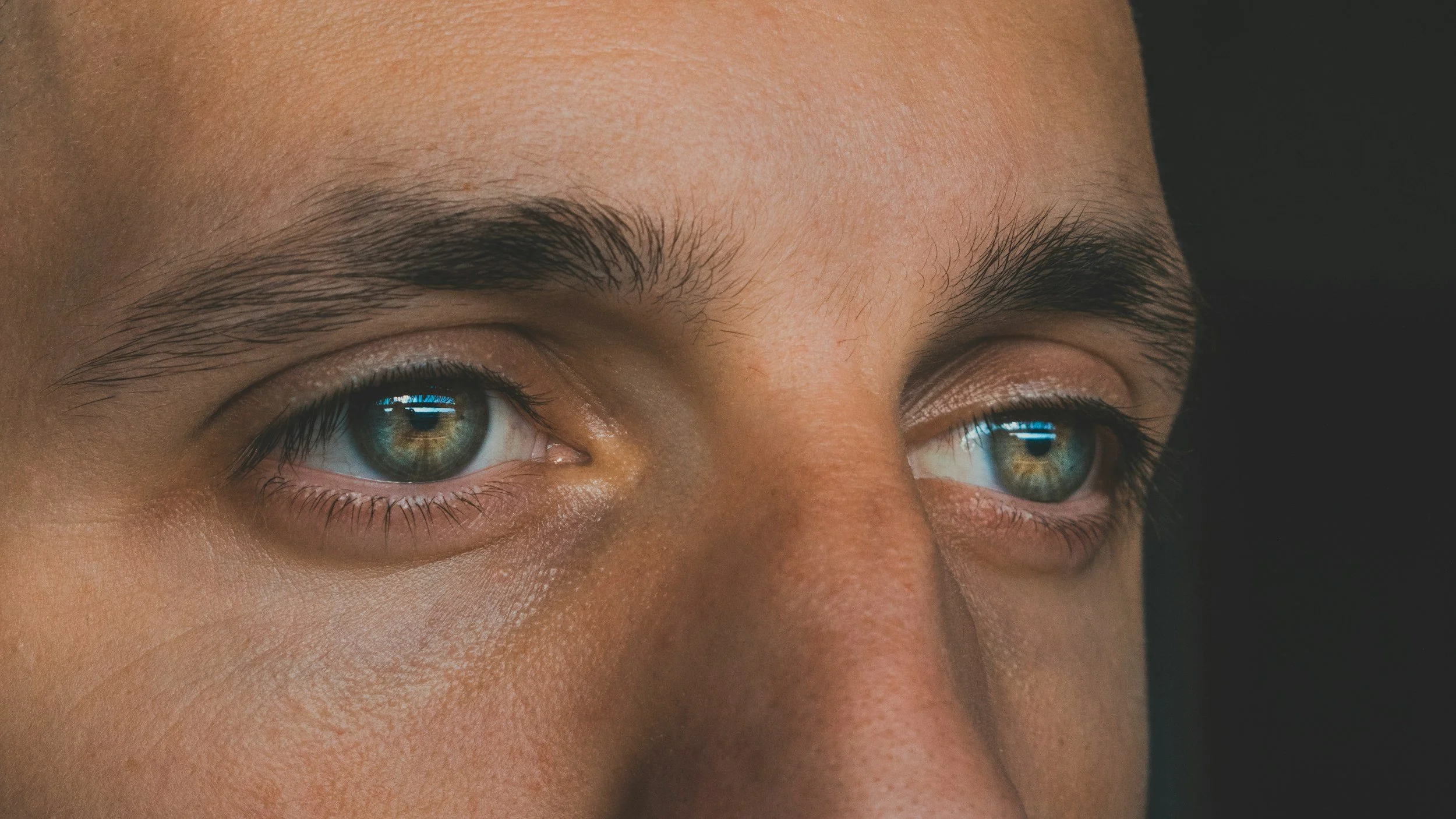
The upper eyelid is lifted by the levator muscle, which runs from deep in the eye socket forward to the lid and ends in a thin sheet of tendon called the levator aponeurosis. The aponeurosis attaches to a firm plate inside the lid called the tarsus. When the levator contracts, it pulls on the tarsus and the lid rises.
Above this is the eyelid skin and a thin layer of muscle that closes the eye. With age, sun and genetics, that skin stretches and forms a fold that hangs over the crease and sometimes the lashes. This is what a blepharoplasty corrects.
Ptosis is a different mechanism. The lid margin, the edge where the lashes grow, sits lower than it should across the coloured part of the eye, almost always because the aponeurosis has stretched or partly detached from the tarsus over years of blinking, rubbing, contact lens wear or age. The muscle still works, but its attachment is loose. Less commonly, ptosis is present from birth or caused by nerve or muscle conditions, which need a different approach.
Ptosis vs blepharoplasty: how I tell the difference in the consultation
The examination is short but specific. You can check some of it yourself in a mirror.
Where does the lid margin sit?
With the patient looking straight ahead, relaxed, I note where the upper lid edge crosses the iris. Normally it rests a millimetre or two below the top of the iris, leaving the pupil clear. If it covers more of the iris or approaches the pupil, that is ptosis, regardless of how much skin sits above it. Surgeons measure this as the margin reflex distance.
Lift the skin fold out of the way
This is the most useful test. I lift the loose skin fold with a cotton bud so that only the lid margin is visible. If the margin is now at a normal height, the problem was the skin, and blepharoplasty alone should solve it. If it is still low, the patient has ptosis and needs a levator repair, with or without skin removal.
Does the lifting muscle work well?
Holding the brow still, I measure how far the lid travels from looking down to looking up. Good levator function means the aponeurosis has simply stretched and can be tightened. Poor function suggests a problem with the muscle itself and a different, more involved operation.
Is the brow doing the work?
Many people with ptosis unconsciously raise their eyebrows all day to hold their eyes open, and have deep forehead lines and tiredness by evening. When they relax the forehead, the lids drop. This is a strong clue to ptosis, and explains why some patients who have had a skin-only blepharoplasty feel their eyes look no better. Brow position is a separate question, covered in hooded eyes: brow lift or blepharoplasty?
Where is the eyelid crease?
In ptosis from a stretched aponeurosis, the crease often sits higher than normal and the lid looks thin above the lashes. In pure skin excess, the crease is normal but hidden by the fold.
Is it one side or both?
Ptosis is often asymmetric; skin excess tends to be symmetrical. A visibly asymmetric droop nearly always deserves a ptosis assessment.
Ptosis repair vs eyelid lift: the operations compared
Blepharoplasty (eyelid lift)Ptosis repair (levator repair)Problem treatedExcess skin and sometimes fat above the lidLid margin sitting too low on the eyeStructure operated onSkin, orbicularis muscle, fat padsLevator aponeurosis and its attachment to the tarsusEffect on lid heightNone, or minimalRaises the lid marginTypical incisionAlong the natural creaseAlong the natural crease, or from inside the lidAnaesthesiaLocal with sedation or generalLocal with sedation is often preferred so the patient can open the eyes during surgeryMain risksDry eye, incomplete closure, asymmetryUnder- or over-correction, asymmetry, dry eyeCan be combined?Yes, with ptosis repair, brow lift or lower blepharoplastyYes, usually with a blepharoplasty in the same sitting
What eyelid ptosis surgery actually involves
The most common form of eyelid ptosis surgery in adults is levator advancement or levator repair. Through the same crease incision used for a blepharoplasty, I find the stretched aponeurosis and reattach it to the tarsus with fine sutures at a shorter length. This restores the tension, and the lid rises.
The difficult part is deciding how much to shorten it. A millimetre too little and the lid is still low; a millimetre too much and the eye looks startled or will not close. This is why I prefer to do levator repair under local anaesthetic with light sedation. Part-way through, I ask the patient to sit up and open their eyes, and I adjust the sutures until the height and curve match the other side. That is not possible under a general anaesthetic.
For mild ptosis with good muscle function, there is an alternative from the inside of the lid that tightens a smaller muscle called Müller's muscle. It leaves no external scar but gives only a modest lift and does not address skin.
When ptosis and skin excess coexist, as in most of my adult patients with droopy eyelids, I do both in one operation: repair the levator first, then remove a conservative amount of skin. Removing skin alone in these patients is the most common reason for disappointment after droopy eyelid surgery: the eye looks tidier but still tired.
Ptosis vs blepharoplasty: why getting it wrong matters
A blepharoplasty performed on a patient who actually has ptosis has three consequences. The result is unsatisfying: the fold is gone but the eye still looks sleepy. A second operation is now needed through scarred tissue, which is harder. And the surgeon may be tempted to remove more skin to make the eye look more open, and over-resection of upper lid skin is the leading cause of permanent dry eye and incomplete closure. What each lid operation can and cannot do is set out in upper vs lower blepharoplasty.
The reverse error, a levator repair on a patient who only needed skin removed, raises the lid too high and creates a surprised look. Both errors are avoidable with a five-minute examination.
The difference for patients travelling from Australia and New Zealand
If you are flying to Thailand for eyelid surgery, the ptosis vs blepharoplasty question should be settled before you travel. In a video consultation I can see lid margin height, asymmetry, brow compensation and forehead lines. What I cannot do remotely is lift the skin fold or measure levator function. If I suspect ptosis, I ask the patient to have a check with their optometrist or GP at home, and I confirm it in person on arrival.
Since 1 July 2023, Australians need a GP referral before a cosmetic surgery consultation, and that visit is a good opportunity to have lid height documented. Ptosis, unlike cosmetic blepharoplasty, is sometimes considered a functional problem when it obstructs vision. Whether that affects Medicare or health fund cover at home is a question for your GP and your fund, and I would not want anyone to assume cover that may not exist.
Ptosis repair also changes the recovery plan. Because swelling can temporarily alter lid height, I like to see the patient more than once before they fly, so I ask for a slightly longer stay in Bangkok than for a simple blepharoplasty. If eyelid surgery is combined with a deep plane facelift, the facelift stay governs the timetable; details are in my facelift in Thailand guide for Australians and New Zealanders.
When I advise against eyelid surgery
A droop that came on suddenly, is worse at the end of the day, or comes with double vision needs a medical work-up before anyone considers cosmetic surgery, because it can indicate a nerve or muscle condition. Poor levator function needs a specialist oculoplastic approach. And a patient whose main concern is heavy outer lids and low brows may be better served by a brow lift than by either operation here.
Frequently asked questions
Ptosis vs blepharoplasty: what is the difference?
Ptosis is a condition: the upper eyelid margin sits too low over the eye because the lifting muscle's attachment has stretched or detached. Blepharoplasty is an operation that removes excess eyelid skin and sometimes fat. Ptosis is treated by a different operation, a ptosis or levator repair, which tightens the lifting muscle. Many patients need both.
How can I tell if I have ptosis or just excess skin?
Look straight ahead in a mirror with your forehead relaxed and lift the loose skin fold out of the way with a finger. If the lid edge still covers a large part of the iris or approaches the pupil, that suggests ptosis. If it is at a normal height once the skin is lifted, the problem is the skin. A surgeon confirms this with measurements.
Can ptosis repair and blepharoplasty be done at the same time?
Yes, and in adults with both problems that is usually how I do it: levator first, then a conservative amount of skin, through the same crease incision. This avoids a second operation through scarred tissue.
Is levator repair done under general anaesthetic?
It can be, but many surgeons prefer local anaesthetic with sedation so the patient can open their eyes during surgery and the lid height can be checked and adjusted before the sutures are tied. This improves symmetry.
Does ptosis come back after surgery?
The repaired attachment can stretch again over many years, particularly in people who rub their eyes or wear rigid contact lenses, so a small late recurrence is possible. Most patients do not need a second operation. Under-correction noticed in the first months is usually addressed with a minor adjustment.
Will a blepharoplasty make my eyes look more open?
Only if the droop is caused by skin. If the lid margin itself is low, removing skin will tidy the fold but will not raise the lid, and the eye will still look tired. That is why the diagnosis is made before the operation is chosen.
This article is general information, not medical advice. The right operation depends entirely on the examination. If you are in Australia or New Zealand and are unsure whether your droopy eyelids are skin, ptosis or both, you are welcome to book a video consultation with me.
