

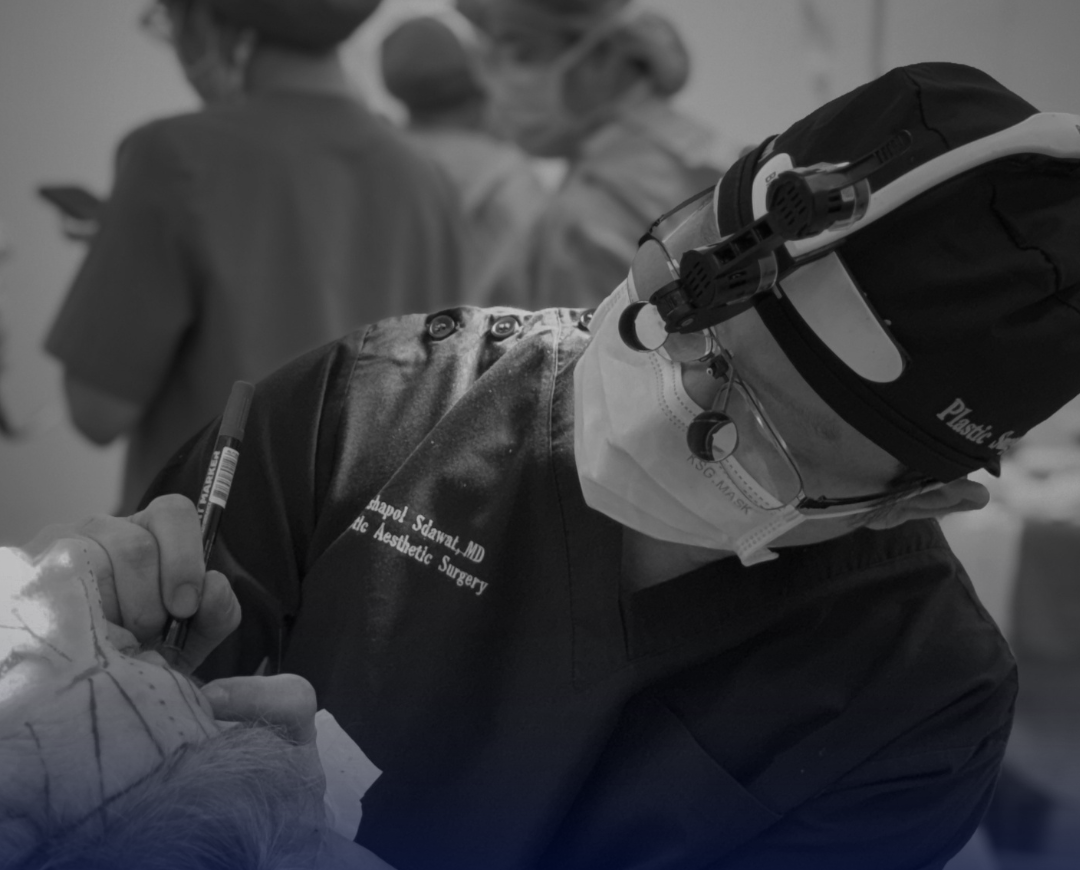
Deep Plane Facelift in Bangkok, Thailand
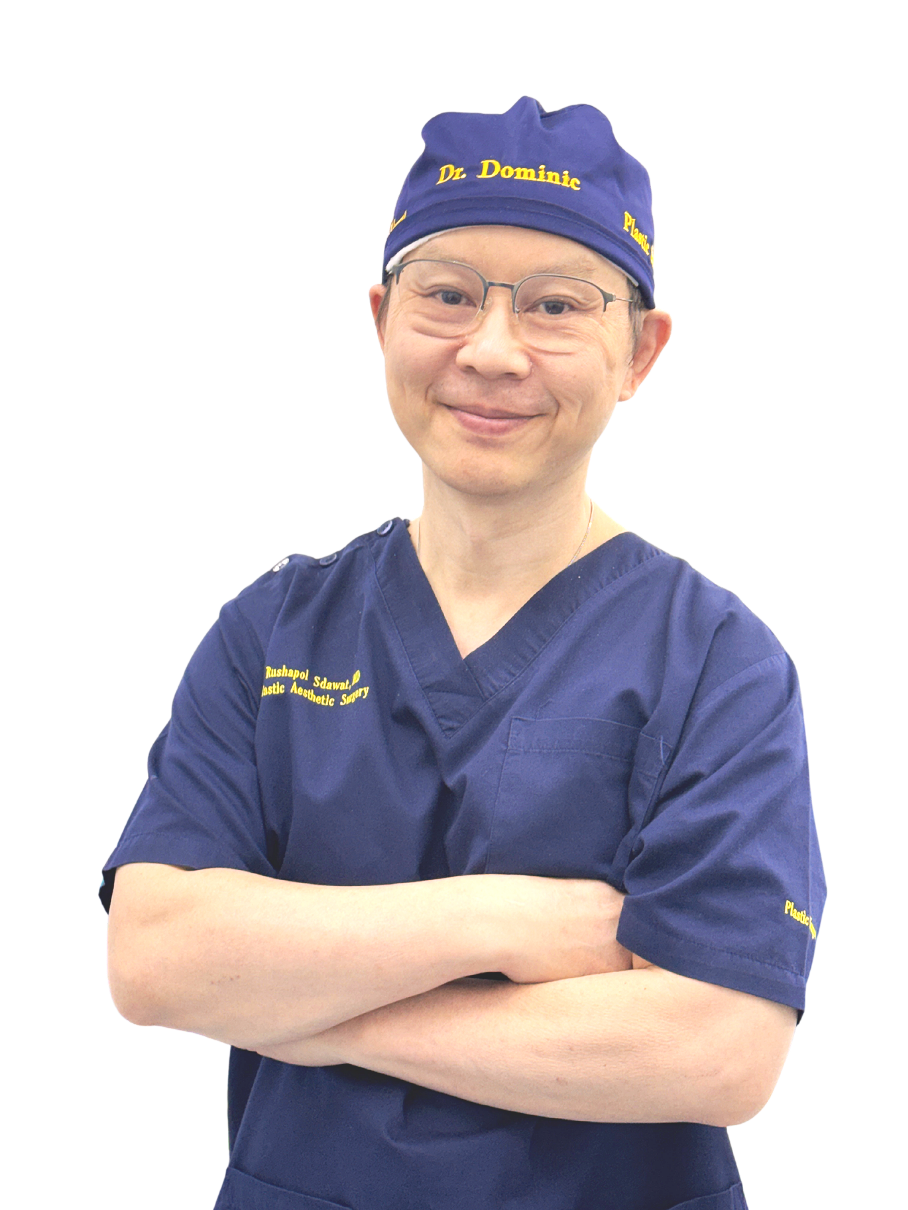
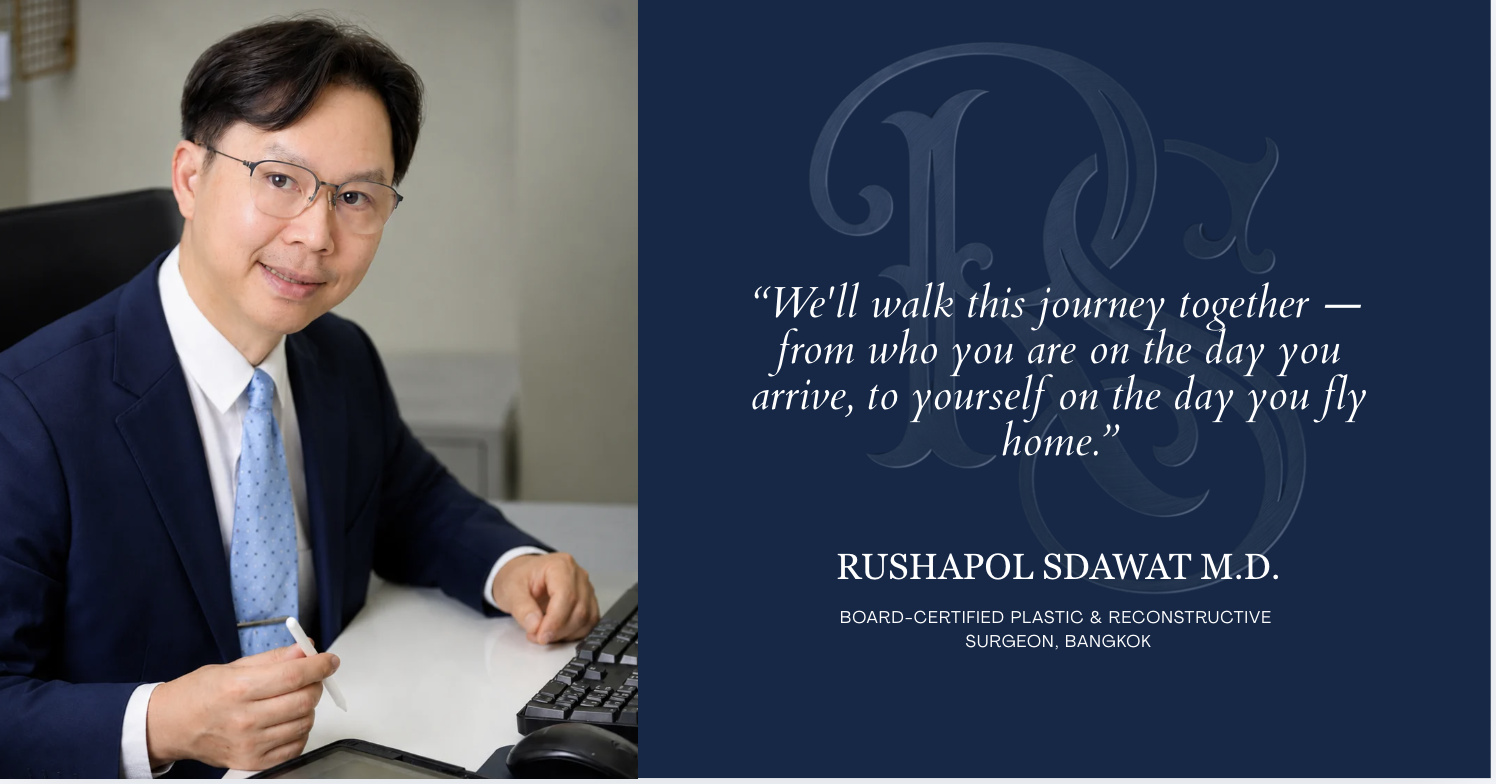
Performed by Dr. Rushapol Sdawat, M.D. — board-certified in plastic surgery by the Medical Council of Thailand since 2000 — at Intrarat Hospital, a full hospital with its own anaesthesia department and intensive care unit.
A lift carried by the deeper tissues, not the skin
A deep plane facelift works beneath the SMAS — the superficial musculo-aponeurotic system, the layer of muscle and connective tissue under the skin of the face. Instead of tightening the skin, or tightening the SMAS from above, the surgeon releases the retaining ligaments that tether the SMAS to deeper structures and repositions skin, fat and SMAS together as one composite unit.
Because the lift is carried by the deeper tissues rather than the skin, the result is designed to look natural in movement and at rest, with less tension on the skin closure.
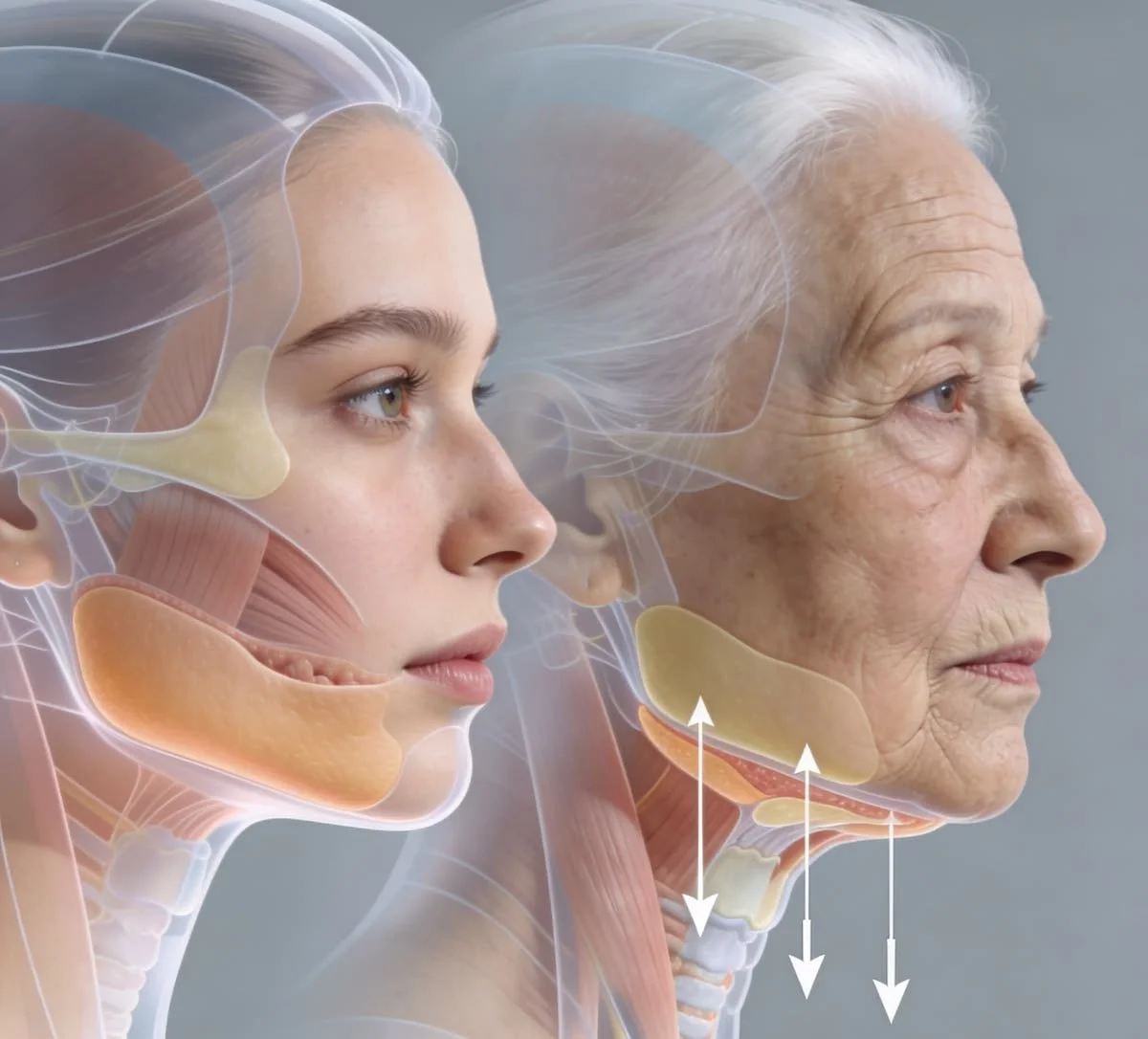
A facial practice built around one operation
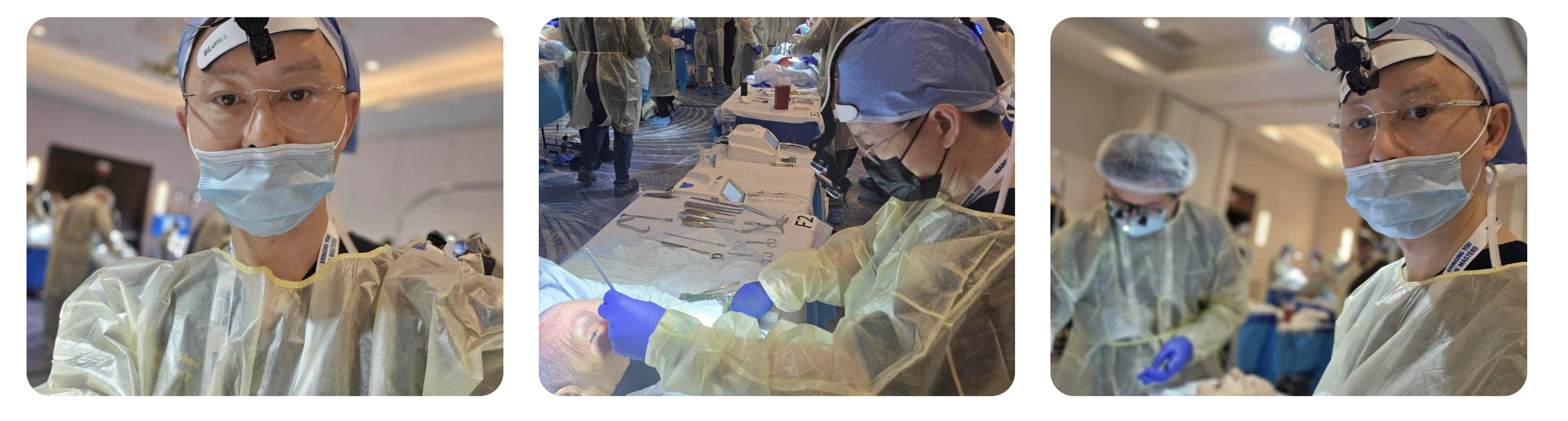
Dr. Sdawat's operating list is now concentrated on facial surgery — principally the deep plane facelift with concurrent neck lift — for patients from Australia, New Zealand, the United Kingdom, the United States and Thailand. He operates only at a full hospital with its own anaesthesia department and intensive care unit.
- ✓Board-certified in plastic surgery since 2000Diploma of the Medical Council of Thailand certifying proficiency in Plastic Surgery, issued 13 July 2000 · licence No. 17689
- ✓The Society of Plastic and Reconstructive Surgeons of ThailandQualified June 2000 · full member since August 2001
- ✓ISAPS member since 2008International Society of Aesthetic Plastic Surgery
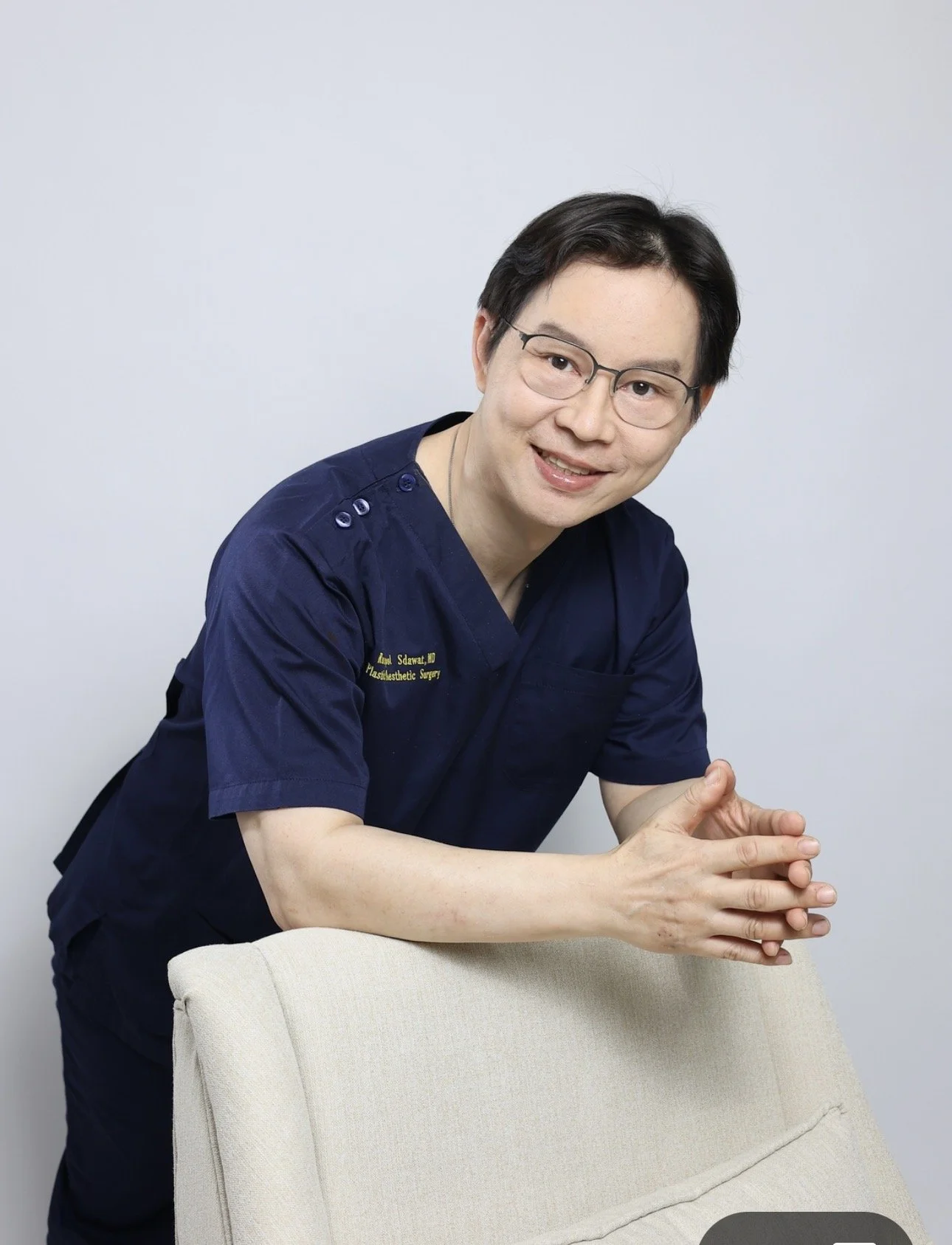 Dr. Rushapol Sdawat, M.D.
Deep plane vs SMAS vs mini facelift
Neither technique is better for everyone. The decision is made at assessment, on your anatomy — not on a label.
| Deep plane | SMAS (plication / SMASectomy) | Mini facelift | |
|---|---|---|---|
| How it works | Skin and SMAS stay attached and move together after the ligaments beneath are released | Skin lifted as one flap; SMAS folded or trimmed and sutured separately | Short incision, limited dissection, skin and a little SMAS tightened |
| Addresses | Mid-face, cheeks, nasolabial folds, jowls, jawline; usually combined with neck lift | Jowls and jawline; lighter mid-face effect | Early jowling only |
| Suited to | Moderate to advanced descent of cheeks and jowls | Lighter laxity; some anatomies where it is the safer choice | Early ageing with good skin quality and little neck laxity |
| Does not address | Skin quality, volume loss (fat grafting may be added) | Deep mid-face descent | The mid-face, the neck, heavier tissue descent |
| Downtime | Around two weeks before flying; swelling settles over weeks to months | Similar | Shortest |
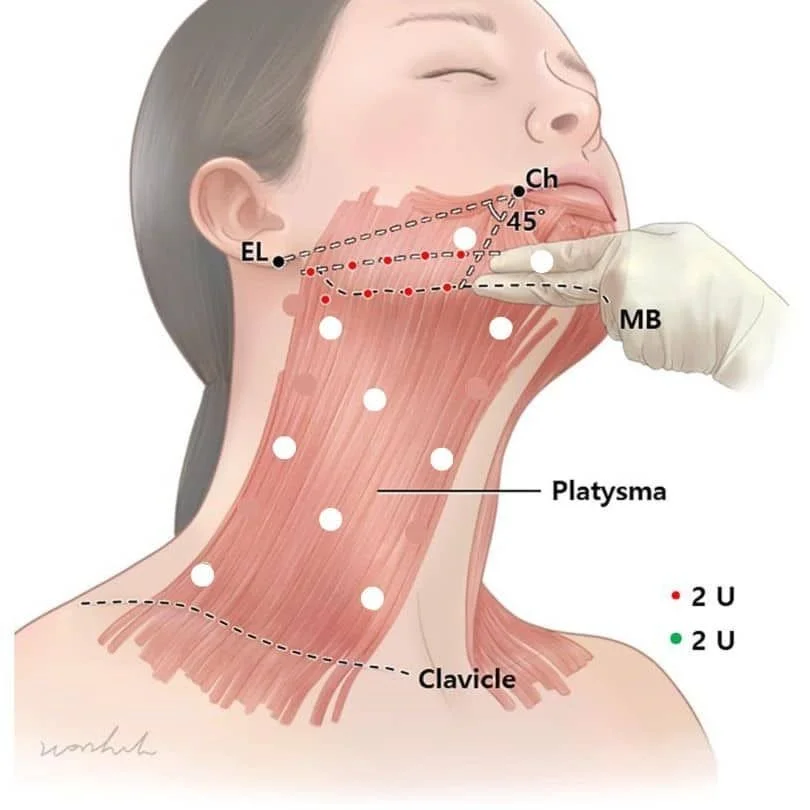
Deep plane facelift with neck lift
Most patients who need a facelift also show ageing in the neck: platysmal bands, loose skin under the chin, and fat above and below the platysma muscle. In Dr. Sdawat's practice the deep plane facelift is usually combined with a neck lift, performed through a small incision under the chin, in which the platysma is tightened and, where necessary, deep neck fat is reduced.
Treating the face and neck together avoids the mismatch of a lifted face above an untreated neck.
Who this operation is for — and who it is not for
Suitability can only be determined by consultation and in-person assessment. These are the patterns Dr. Sdawat looks for.
A good candidate usually has
- Visible descent of the cheeks and jowls, deepening nasolabial folds, loss of jawline definition
- Loose skin or bands in the neck
- Good general health with blood pressure under control
- No nicotine — or the ability to stop every nicotine product for the period the surgeon requires
- Realistic expectations: a refreshed version of your own face, not a different face
- Time to remain in Bangkok for post-operative review before flying
Dr. Sdawat will not operate when
- Nicotine cannot be stopped — cigarettes, vaping, patches or gum reduce blood supply to the lifted skin and raise the risk of skin loss
- Blood pressure or diabetes is uncontrolled, or there is a bleeding disorder or anticoagulant that cannot be safely paused
- Heart, lung or kidney disease makes a general anaesthetic unsafe
- There is active infection or skin disease in the surgical field
- Ageing is too early — surgery would leave scars without a meaningful benefit
- Expectations are ones surgery cannot meet, including body dysmorphic disorder
How it is performed
The incision starts in the temporal hairline or along the sideburn, follows the natural crease in front of the ear, passes behind the tragus, curves around the earlobe and continues behind the ear into the hairline. The skin is raised for a short distance; the surgeon then enters the plane beneath the SMAS and releases the zygomatic, masseteric and mandibular retaining ligaments under direct vision.
The composite flap of skin, fat and SMAS is repositioned upward and backward along the vector of ageing and secured with sutures to deeper fixed structures. Excess skin is trimmed without tension and the incisions closed in layers. The neck lift, when combined, is performed through the incision under the chin. Operating time is typically several hours and depends on what is combined.
Anaesthesia
General anaesthesia administered by a hospital anaesthetist from Intrarat Hospital's anaesthesia department, with continuous monitoring. Local anaesthetic with adrenaline is also infiltrated to reduce bleeding and pain.
Overnight stay
Patients remain in hospital overnight with nursing observation for the first 24 hours, when the risk of haematoma is highest.
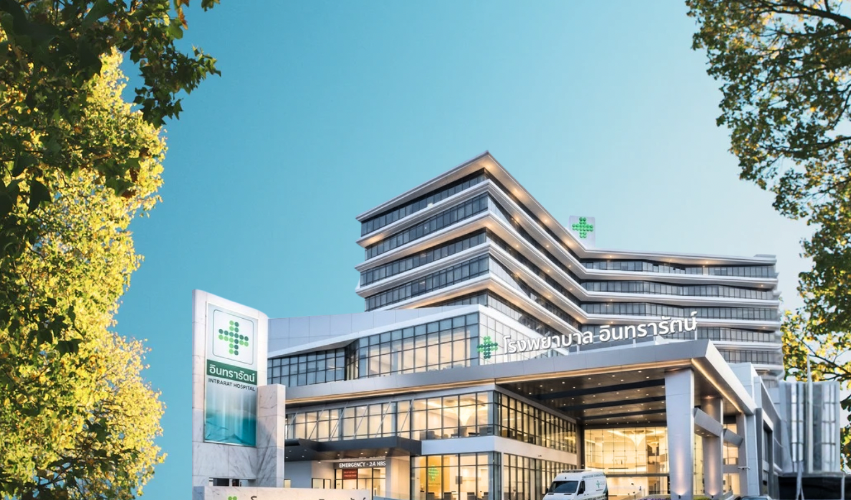
Surgery in a full hospital, not a clinic
Intrarat Hospital, Bangkok: operating theatres, its own anaesthesia department and an intensive care unit, certified ISO 9001:2015.
What actually happens, week by week
Recovery varies between individuals; this is a general guide only.
Day 0–1 · Hospital
Overnight in hospital; dressing and sometimes a small drain. Swelling and bruising begin.
First week
Swelling peaks around day 3 and settles. Sutures in front of the ear typically removed at 5–7 days. Sleep with the head elevated.
Week 2 · Review
Most bruising faded. Remaining sutures removed. Surgeon review; clearance to fly is given after review, usually around two weeks.
Weeks 3–6
Many patients are comfortable in public with light make-up. Residual tightness improves; exercise resumes in stages.
Months 3–12
Numbness around the ears and cheeks resolves gradually. Scars mature and fade over the first year.

Where the incisions sit and how they heal
The incisions are placed in the hairline, in the crease in front of the ear, behind the tragus and behind the ear, so that mature scars are difficult to see in most patients. All scars are permanent. They are red or pink in the first months and usually fade over the first year; scars can be thicker or wider in some patients regardless of technique, and sun exposure in the first year can darken them.
All surgery carries risk. These are the recognised ones.
- Haematoma — bleeding under the skin; the most common early complication, sometimes requiring a return to theatre
- Infection
- Skin loss or delayed healing, particularly in smokers
- Facial nerve injury — temporary weakness is uncommon and usually resolves within weeks to months; permanent weakness is rare but possible
- Numbness of the cheeks, ears and neck, usually temporary
- Visible or thickened scars, hairline distortion, earlobe distortion
- Asymmetry, contour irregularities, or a result that does not meet expectations
- Anaesthetic risks, and rare but serious events such as deep vein thrombosis or pulmonary embolism
- Revision surgery may be needed
How long do the results last?
"The longevity of facelift results varies between patients and depends on age, skin quality, anatomy, technique and ageing after surgery."
A facelift does not stop the ageing process. It resets the position of the tissues, and the face continues to age from that new position.

A written, itemised quotation — not a package price
The cost of a deep plane facelift in Bangkok depends on whether a neck lift or other procedures are combined, the length of hospital stay, and the anaesthetic and hospital fees involved. A written, itemised quotation is provided after Dr. Sdawat has reviewed your photographs and history, so that the price reflects the operation you actually need. Prices are quoted in Thai baht.

From video consultation to clearance to fly
Video consultation
Begins by video with photographs. Dr. Sdawat reviews your history and photographs before any plan is made.
Assessment in Bangkok
In-person assessment before surgery. Surgery is confirmed only after that assessment.
Review before flying
You stay in Bangkok for post-operative review and are cleared to fly by the surgeon.
Answered plainly
Is a deep plane facelift better than a SMAS facelift?
Neither is better for everyone. The deep plane approach addresses the mid-face and heavier tissue descent; a SMAS technique can be the right choice for lighter laxity. The decision is made at assessment.
Does a deep plane facelift include the neck?
Not automatically. In most of Dr. Sdawat's patients it is combined with a neck lift because the face and neck age together.
How long do I stay in Thailand?
Plan for around two weeks: one night in hospital, then recovery accommodation nearby with scheduled reviews before you are cleared to fly.
Will I have visible scars?
All scars are permanent; they are placed in the hairline and around the ear so that mature scars are difficult to see in most patients.
How long do results last?
The longevity of facelift results varies between patients and depends on age, skin quality, anatomy, technique and ageing after surgery.
Who performs the anaesthetic?
A hospital anaesthetist from Intrarat Hospital's anaesthesia department.
Start with an assessment, not a booking
Send your photographs and history for review by Dr. Sdawat. A consultation is an assessment — not a commitment to surgery.
