

The Deep Plane Facelift: An Advanced Surgical Deep Dive into Structural Rejuvenation
Facial aging is not merely a process of skin stretching; it is a three-dimensional structural descent involving deep tissue layers, facial fat pads, and fibrous anchoring systems. While traditional facelift techniques focus primarily on tightening the outer skin or manipulating the superficial muscular layer, the Deep Plane Facelift operates below these structures to deliver long-lasting, natural rejuvenation without the "wind-tunnel" or overly pulled appearance.
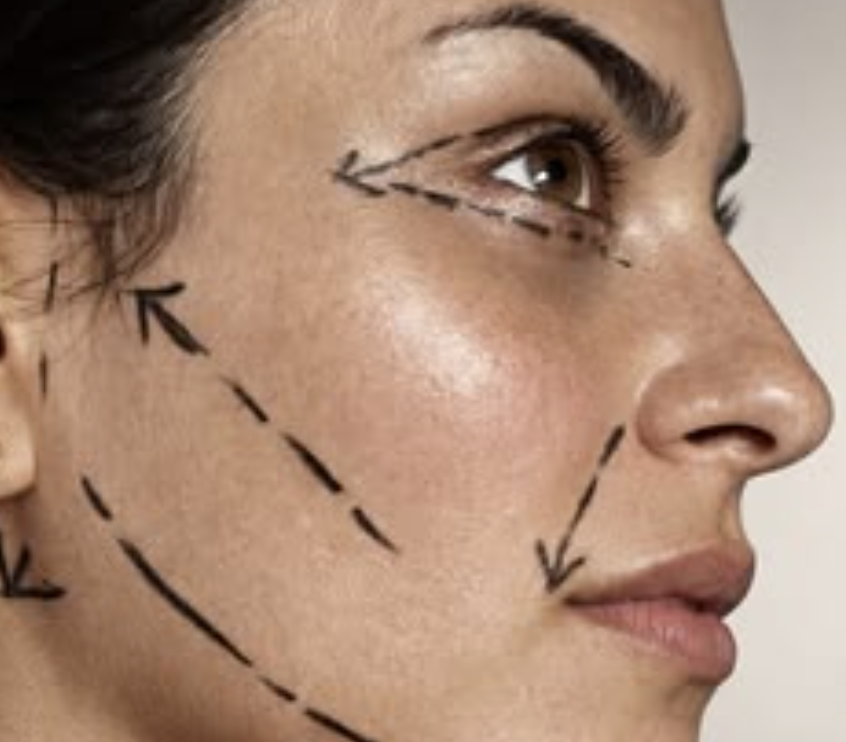
1. The Architectural Anatomy of Facial Aging
To understand why the deep plane approach is regarded as the gold standard in modern facial plastic surgery, one must first understand the five anatomical layers of the face:
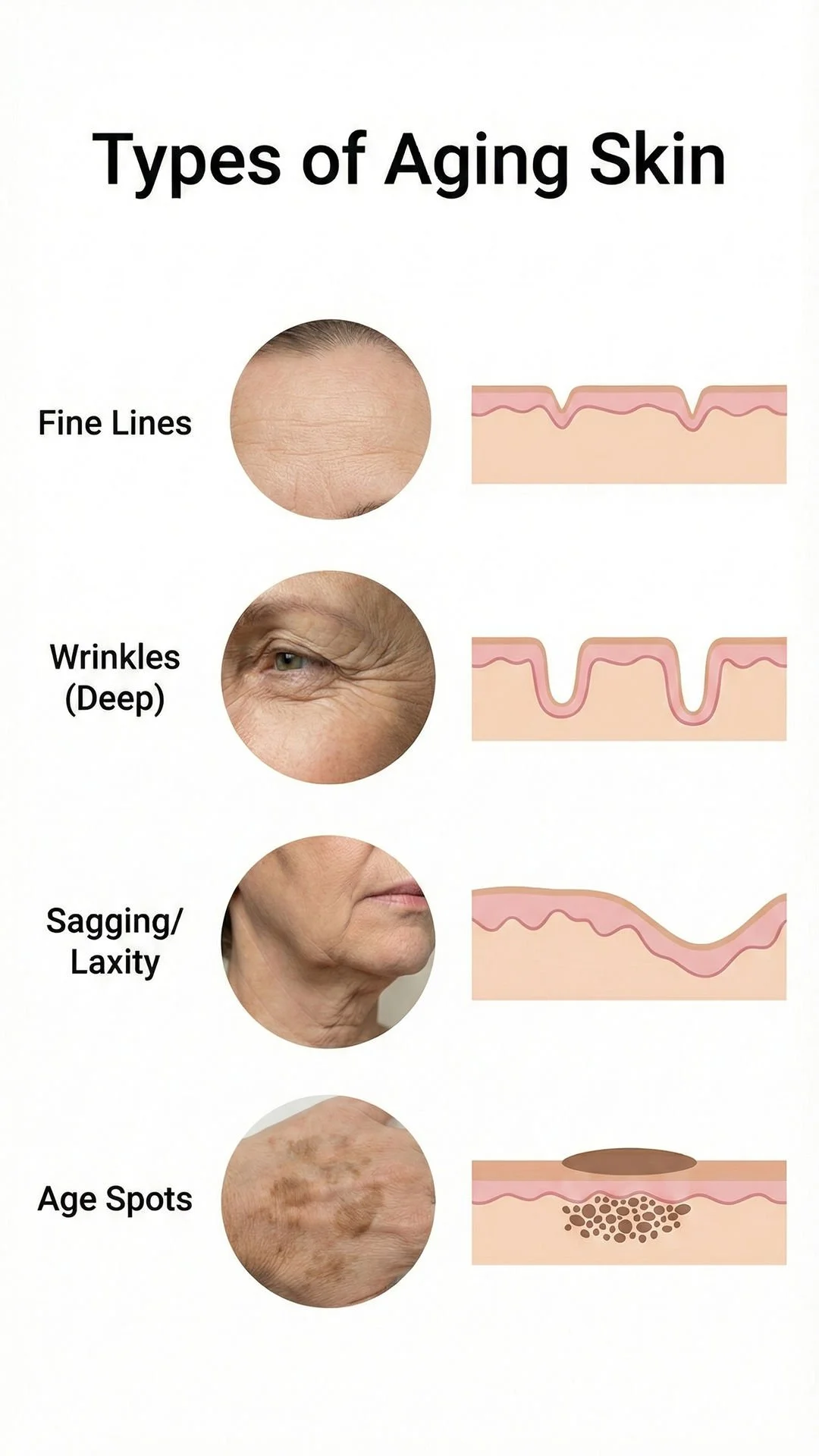
Layer 1: Skin (Epidermis & Dermis) – The outermost protective envelope.
Layer 2: Subcutaneous Fat – Superficial fat pads that thin and drift downward over time.
Layer 3: SMAS / Platysma Complex – The Superficial Musculoaponeurotic System, a continuous fibromuscular sheet connecting expression muscles to the skin.
Layer 4: Deep Retaining Ligaments & Sub-SMAS Space – Gliding spaces traversed by rigid fibrous anchors (ligaments) that bind the deep tissue to the underlying facial skeleton.
Layer 5: Periosteum & Deep Facial Fascia – The fibrous covering directly over the bone.
As facial aging progresses, the facial retaining ligaments—specifically the zygomatic (cheek), masseteric (jawline), and mandibular (chin/jowl) ligaments—act like rigid tethering ropes. As deep soft tissues and the malar fat pad sag under gravity, these tether points hold fast, causing midface deflation, deep nasolabial folds, marionette lines, and heavy jowls.

2. SMAS Tightening vs. Deep Plane Release
Most traditional facelift methods operate above or directly on Layer 3:
SMAS Plication & Imbrication: The surgeon lifts the skin away from the SMAS, then folds (plicates) or overlaps (imbricates) the SMAS layer beneath. Because the underlying retaining ligaments in Layer 4 remain intact, the deep tissue cannot move freely. Tightening is limited by these structural "tethers," placing higher tension on the skin at the incision boundaries.
The Deep Plane Technique: First described clinically by Dr. Sam Hamra and continuously refined by contemporary facial surgeons, the deep plane technique enters directly into Layer 4 (the sub-SMAS space). The surgeon systematically dissects beneath the SMAS and fully releases the key retaining ligaments.
By releasing these fibrous tethers, the entire composite unit—skin, subcutaneous fat, and SMAS—is mobilized as a single, unconstrained layer.
3. Four Key Technical Advantages of the Deep Plane Approach
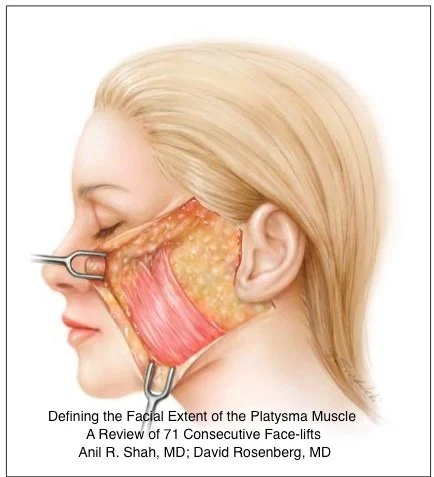
1. Releasing the "Tethers" (Ligamentous Release)
Without releasing the zygomatic and masseteric retaining ligaments, soft tissues cannot be elevated into a higher, youthful position without immense structural resistance. Releasing these anchors allows the fallen cheek mass (malar fat pad) to return naturally to the cheekbones without requiring synthetic fillers.
2. Preservation of Vascularity (The Composite Flap)
In standard facelifts, separating skin from the underlying SMAS interrupts small perforating blood vessels. In a deep plane facelift, the skin and SMAS remain attached to each other as a single composite flap. Because the primary microvascular network supplying the skin remains intact, tissue perfusion is significantly preserved, contributing to reduced skin necrosis risk and refined incisional healing.
3. Tension-Free Skin Closure
Because structural lift is executed entirely within the deep sub-SMAS fascia, zero tension is placed on the skin or the earlobe incisions. Tension-free closure prevents telltale surgical signs such as pulled earlobes ("pixie ear deformity"), wide surgical scars, or flattened facial contours.
4. True Vertical Vectors
Standard facelifts pull tissues laterally toward the ears, which can flatten the cheeks and distort the mouth line. The unconstrained mobility of a deep plane flap allows the surgeon to reposition the midface and jawline along a vertical-oblique vector—re-establishing youthfully rounded cheek contours and a clean, defined jawline.
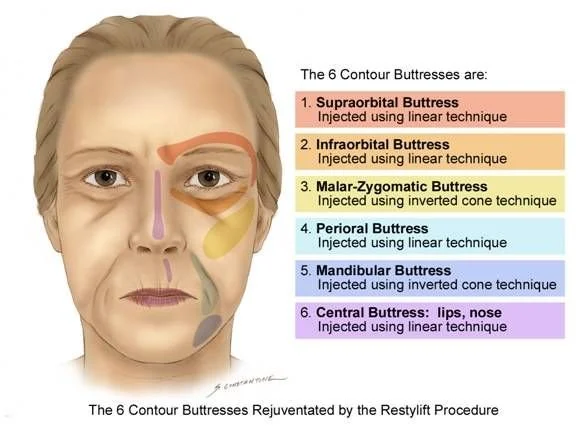
4. Technical Comparison: Surgical Approach Overview
FeatureStandard SMAS FaceliftDeep Plane FaceliftPrimary Plane of DissectionAbove SMAS (Subcutaneous plane)Below SMAS (Sub-SMAS / Layer 4)Retaining LigamentsLeft intact / bypassedSystematically released (Zygomatic, Masseteric, Mandibular)Midface & Cheek ElevationLimited impact on midface fat padDirect elevation and repositioning of malar fatSkin TensionModerate to High at incision linesZero tension (Tension carried by deep fascia)Flap VascularitySubcutaneous blood supply disruptedPreserved via composite skin-SMAS unitAverage Longevity5 – 8 Years10 – 15+ Years
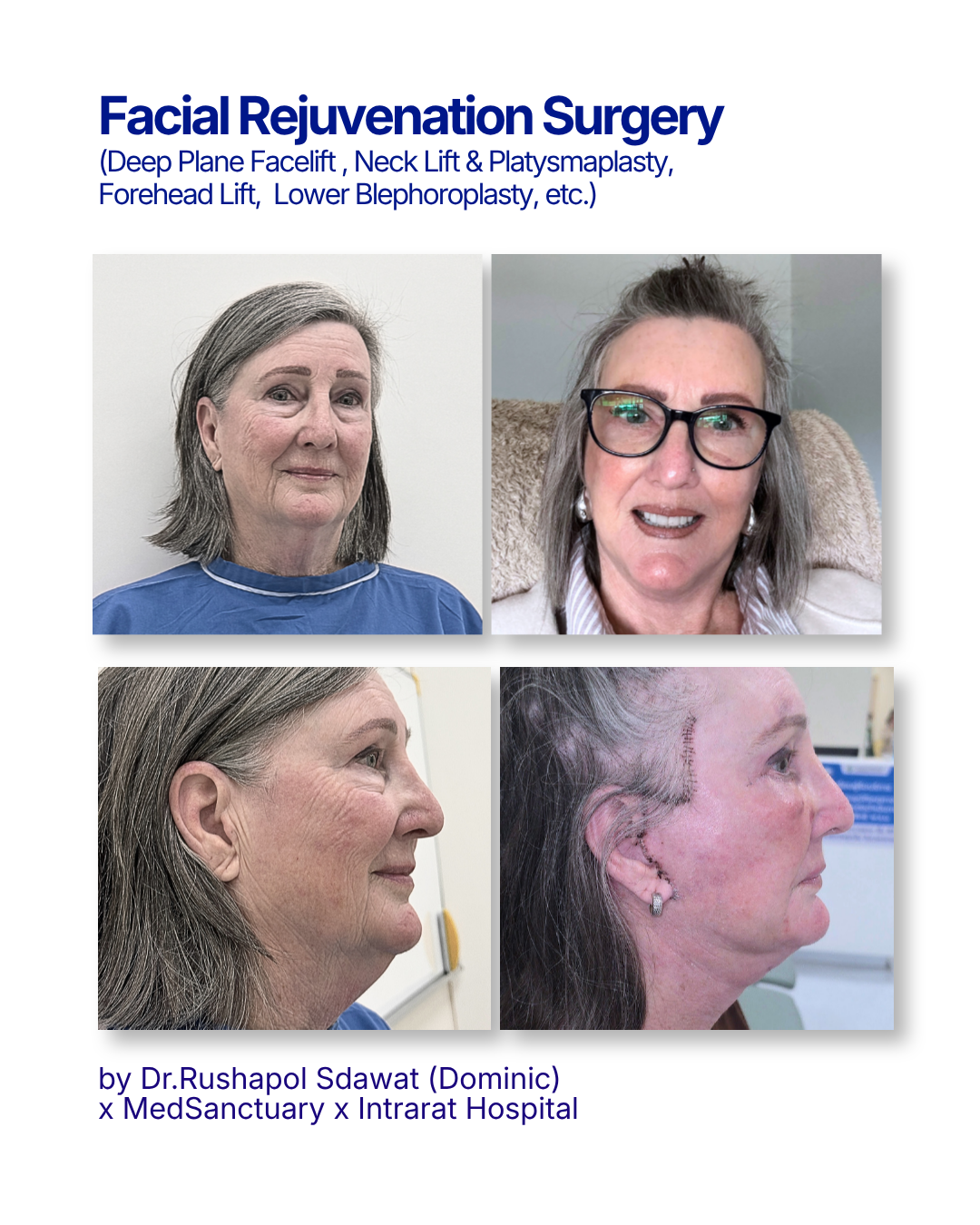
5. What to Expect: Surgical Process and Recovery
Surgical Precision & Nerve Safety
Dissecting in Layer 4 requires detailed knowledge of facial anatomy, as the branches of the facial nerve lie beneath the deep fascia. Skilled facial plastic surgeons operate within clear anatomical gliding planes safely above the nerve branches.
Recovery Dynamics

Days 1–3: Mild to moderate swelling and tightness. Pain is typically manageable with mild analgesics because deep plane surgery avoids wide, painful skin-under-tension stretching.
Days 7–10: Sutures are removed. Initial bruising largely subsides.
Weeks 2–3: Patients typically return to social and professional activities. Residual deep edema continues to settle quietly over the following months.
Key Takeaway on Longevity: A deep plane facelift does not freeze time, but it resets the surgical clock further back than superficial techniques. Because the structural foundation is repositioned rather than stretched, patients continue to age naturally from a significantly rejuvenated starting point.

