

Plastic Surgery in Thailand Compared With Other Countries — An Honest Comparison
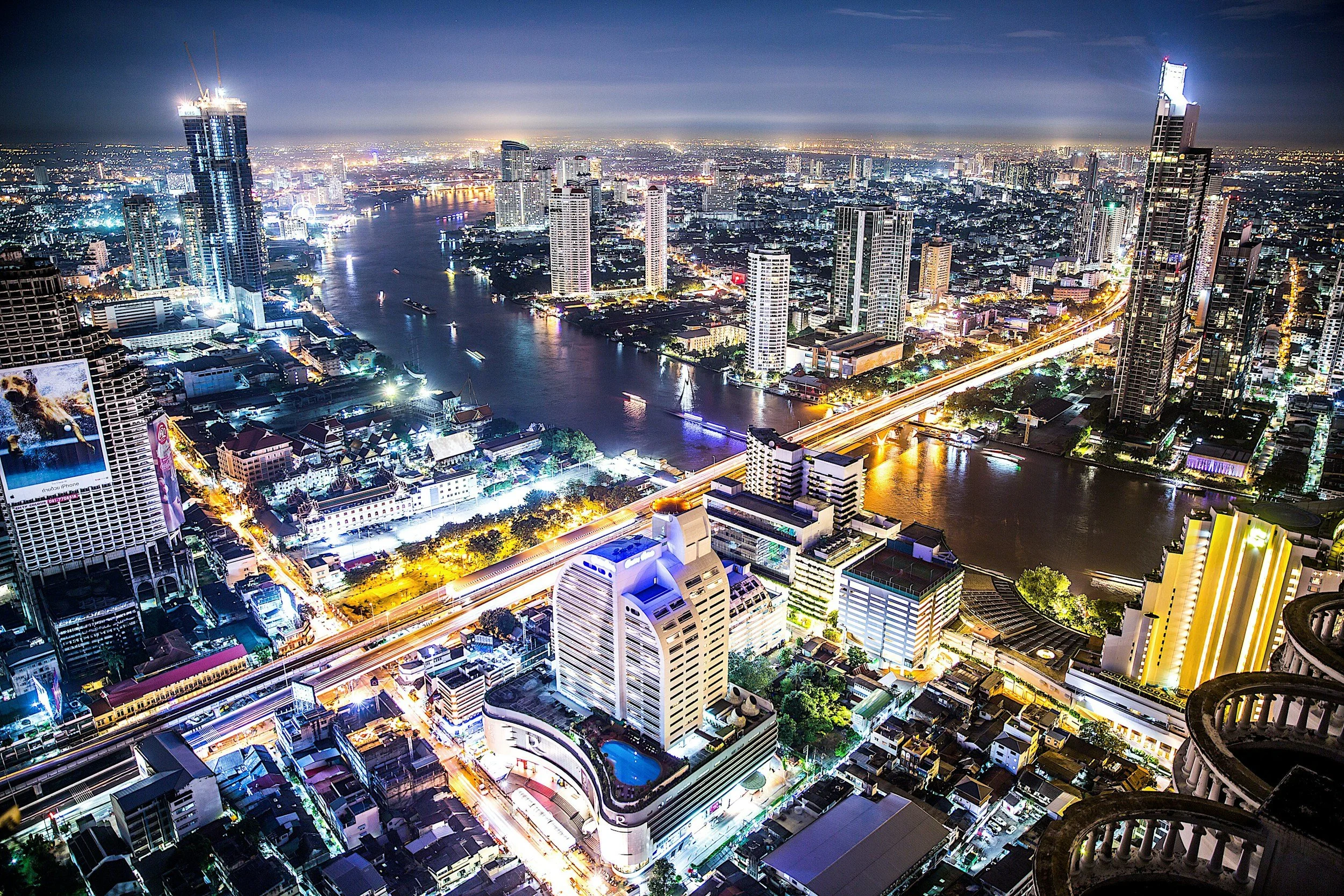
Comparisons of this kind are usually written by someone with an interest in the answer. We have one too, so this is written to be checkable rather than persuasive, and it includes the parts that do not favour us.
Where Thailand genuinely differs
Volume and infrastructure. Thailand has one of the largest international patient sectors in the world, and a corresponding number of internationally accredited hospitals. That is why an operation performed in a licensed Thai hospital sits inside an established system rather than an improvised one.
Cost. The same procedure typically costs substantially less than in Australia, New Zealand, the United Kingdom or the United States. That is a real difference and it is mostly explained by local salaries, facility overheads and insurance costs, not by cutting corners in the operating theatre.
Inpatient admission is normal. In several countries, cosmetic surgery has drifted toward day-surgery models. In Thai hospitals, overnight admission after major cosmetic surgery remains routine, with nursing observation through the first night included rather than charged as an extra.
Recovery time is built in. Patients travelling for surgery stay for the recovery. Follow-up, drain removal and stitch removal happen while still under the surgeon's care, which is not always true when a patient has surgery locally and goes back to work on day three.
Where Thailand is no different at all
The surgeon matters more than the country. A board-certified surgeon operating in a licensed hospital is what determines safety. That is equally true in Bangkok, Sydney and London, and the variation within any country is far wider than the variation between them.
Complications occur at similar rates. Haematoma, infection, poor scarring and the need for revision are properties of the operation and the patient, not of the postcode.
Regulation still has to be checked by you. Thailand licenses both hospitals and clinics, and the two are not the same thing. Verification is your job wherever you go.

The three disadvantages, stated plainly
Distance from follow-up. If a problem appears six weeks after you fly home, your surgeon is in another country. Ask what the revision policy covers and get it in writing before you commit.
Regulatory recourse is harder. Making a complaint across a border is slower and more difficult than making one at home. This is a genuine drawback and no package can remove it.
The flight is a clinical factor. Long-haul travel after surgery raises the risk of blood clots and increases swelling. It is manageable with a properly planned stay, and it is a variable that local surgery simply does not have.
What we can state about our own arrangements

Surgery arranged through Med Sanctuary is performed at Intrarat Hospital, Bangkok — a licensed hospital certified to ISO 9001:2015, with theatres, an intensive care unit, inpatient beds and resident anaesthetists.
The surgeon is Dr. Rushapol Sdawat, M.D., board-certified in plastic and reconstructive surgery, licence no. 17689, ISAPS member since 2008.
Every quotation states the inclusions and the revision policy in writing. We would rather be compared on that than on adjectives.
Frequently Asked Questions
What are the benefits of choosing plastic surgery in Thailand compared to other countries?
The substantive differences are cost, an established international-patient infrastructure with many accredited hospitals, overnight inpatient admission remaining routine after major cosmetic surgery, and recovery time being built into the trip so follow-up and stitch removal happen under the surgeon's care. What does not change with the country is that the individual surgeon and facility determine safety, and complication rates are a property of the operation rather than the location.
Is plastic surgery in Thailand cheaper because the quality is lower?
The cost difference is mostly explained by local salaries, facility overheads and insurance costs. Quality varies by facility and surgeon in Thailand exactly as it does elsewhere, which is why board certification and the hospital licence should be verified rather than assumed.
What are the disadvantages of having cosmetic surgery in Thailand?
Three. Your surgeon is in another country if a problem appears after you fly home, so the written revision policy matters. Regulatory complaints across a border are slower and harder. And long-haul flying after surgery raises clot risk and swelling, which is why the stay length is clinical rather than negotiable.
How do I verify a hospital in Thailand is properly licensed?
Ask whether it is licensed as a hospital rather than a clinic, whether it has inpatient beds and an intensive care unit in the building, and whether an anaesthetist is resident. Ask for accreditation certificates and the surgeon's medical licence number, both of which can be checked independently.

