

Your Medications and Cosmetic Surgery — What the Anaesthetist Needs to Know
The medication section of a registration form is the one most often left blank, and it is the one that changes the plan most.
Very few medicines rule out surgery. What causes problems is a medicine discovered on the morning of the operation instead of six weeks earlier.

The ones that affect bleeding
Bleeding beneath the skin is the most common early complication after a facelift, so anything affecting clotting matters.
Blood thinners and aspirin need a plan agreed between the surgeon and the doctor who prescribed them. That plan is made in advance, never by the patient.
Fish oil, vitamin E, ginkgo, garlic and turmeric supplements thin the blood more than most people expect, and are usually stopped a couple of weeks before surgery. They are frequently not disclosed because patients do not think of them as medication.
Some antidepressants, particularly SSRIs such as fluoxetine, mildly increase the tendency to bleed. This is manageable and is not a reason to stop them.
The ones that interact with anaesthesia
Tricyclics such as amitriptyline can amplify the effect of adrenaline, and facelift surgery uses adrenaline in the local anaesthetic solution in meaningful volume. The anaesthetist adjusts for it — provided they know.
GLP-1 medications for weight or diabetes slow stomach emptying, which affects fasting instructions and the risk of aspiration under anaesthesia. Current guidance often means stopping them before surgery, and the timing depends on the specific medicine.
Anything for blood pressure, thyroid, diabetes or the heart changes the pre-operative assessment.
The allergies that change the drugs used
Penicillin allergy matters because routine antibiotic cover is usually a penicillin. What happens when you take it decides the substitute — a mild rash and a severe reaction lead to different choices, so describe it precisely.
Anti-inflammatory intolerance matters because standard post-operative pain relief usually includes one. Where a patient cannot take ibuprofen, the pain plan is written specifically rather than taken off the shelf.
Opioid intolerance is worth stating clearly. Patients who become very unwell with morphine or codeine can be given alternatives, but only if it is known beforehand.
Food allergies belong on the form too. Meals are included throughout the stay and the hospital kitchen needs to know. Mention it again at admission.
What you must not do
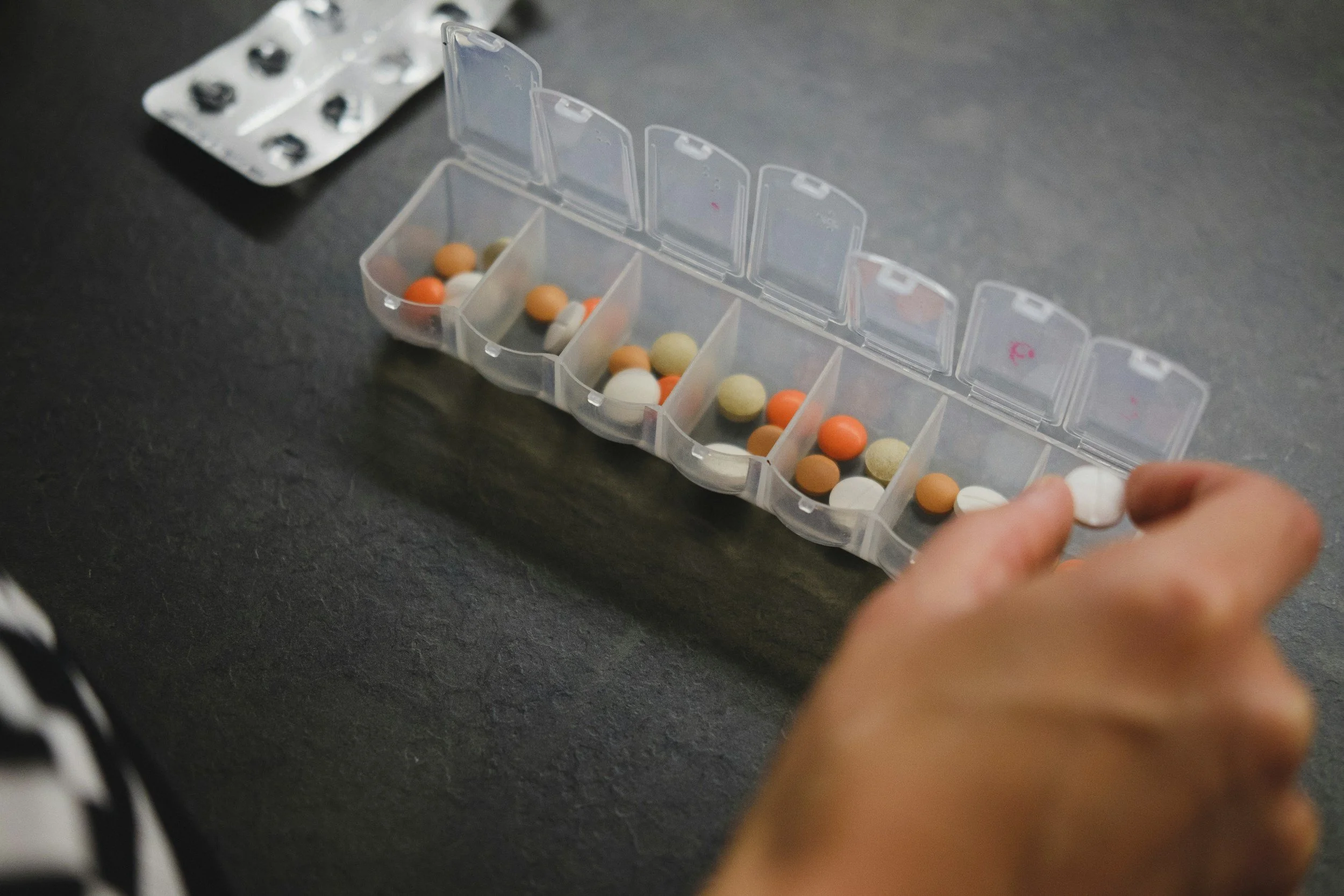
Do not stop any prescribed medication on your own account. Stopping an antidepressant abruptly is not safe. Stopping a blood thinner without a plan can be dangerous. That decision belongs to the anaesthetist together with your own prescriber.
The right approach is to list everything — prescription, over the counter, supplements, and anything taken only occasionally — and let the clinical team decide what changes.
Previous surgery counts too
Previous operations near the surgical field change the anatomy. Neck surgery through the front of the neck leaves scar tissue exactly where a neck lift works, and can make intubation less straightforward.
Bring operative notes or imaging if you have them. If you cannot obtain them, say so — an assessment by hand is possible, but a surprise on the day is not welcome.
Frequently Asked Questions
Do I need to stop my antidepressants before cosmetic surgery?
Usually not, and you should never stop them on your own. Some antidepressants affect bleeding or interact with adrenaline used during surgery. The anaesthetist and your prescriber make that decision together, which is why the medication must be disclosed early.
Which supplements should I stop before surgery?
Fish oil, vitamin E, ginkgo, garlic and high-dose turmeric all increase bleeding and are typically stopped around two weeks beforehand. Confirm the timing with the surgical team rather than assuming.

I am allergic to penicillin. Can I still have surgery?
Yes. Routine antibiotic cover is changed to an alternative. Describe exactly what happens when you take penicillin, because a mild rash and a severe reaction lead to different substitutes.
Do I need to stop Ozempic or similar medication before surgery?
Medications of that class slow stomach emptying, which affects fasting and the safety of anaesthesia, and they are commonly stopped before surgery. The timing depends on the specific medicine and dose, so it must be discussed with the anaesthetist well in advance.
All surgery carries risks. Individual results vary from person to person and are not guaranteed. A consultation and assessment with your surgeon is required before any procedure.

